

Victoria Carrabba
Meet The Artist
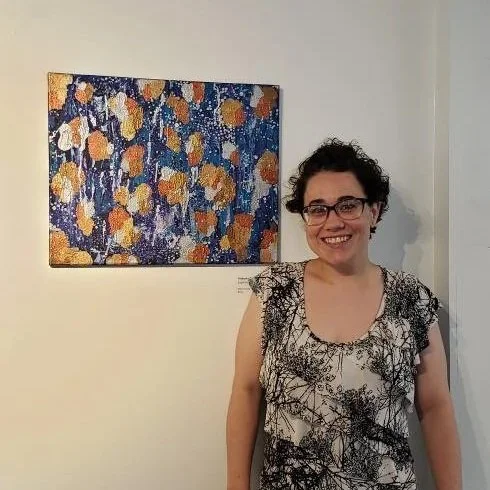
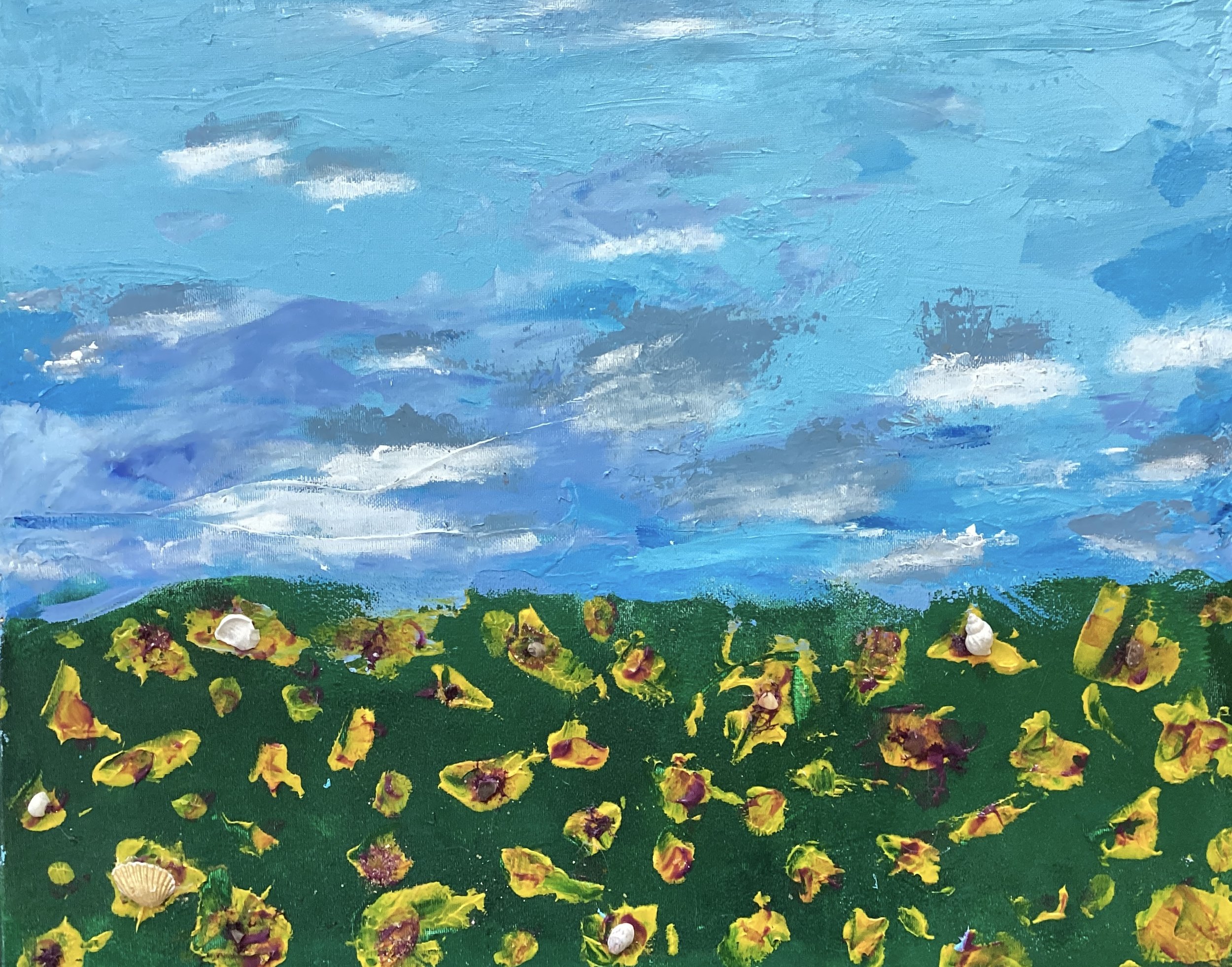
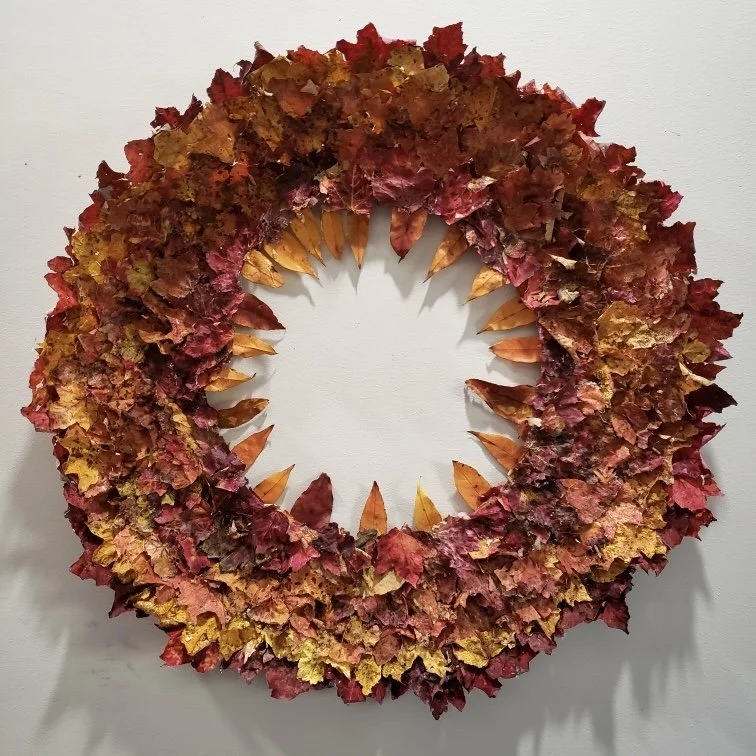
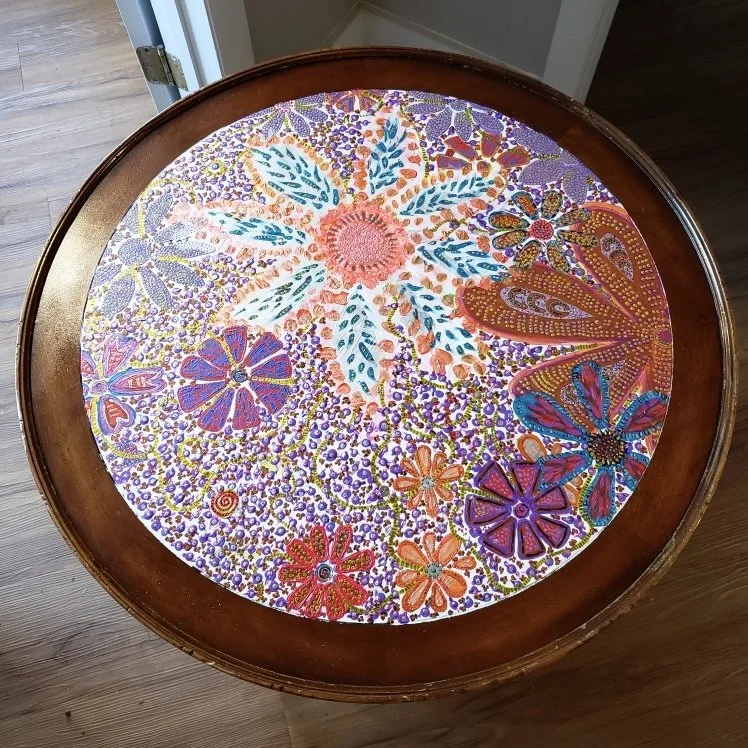
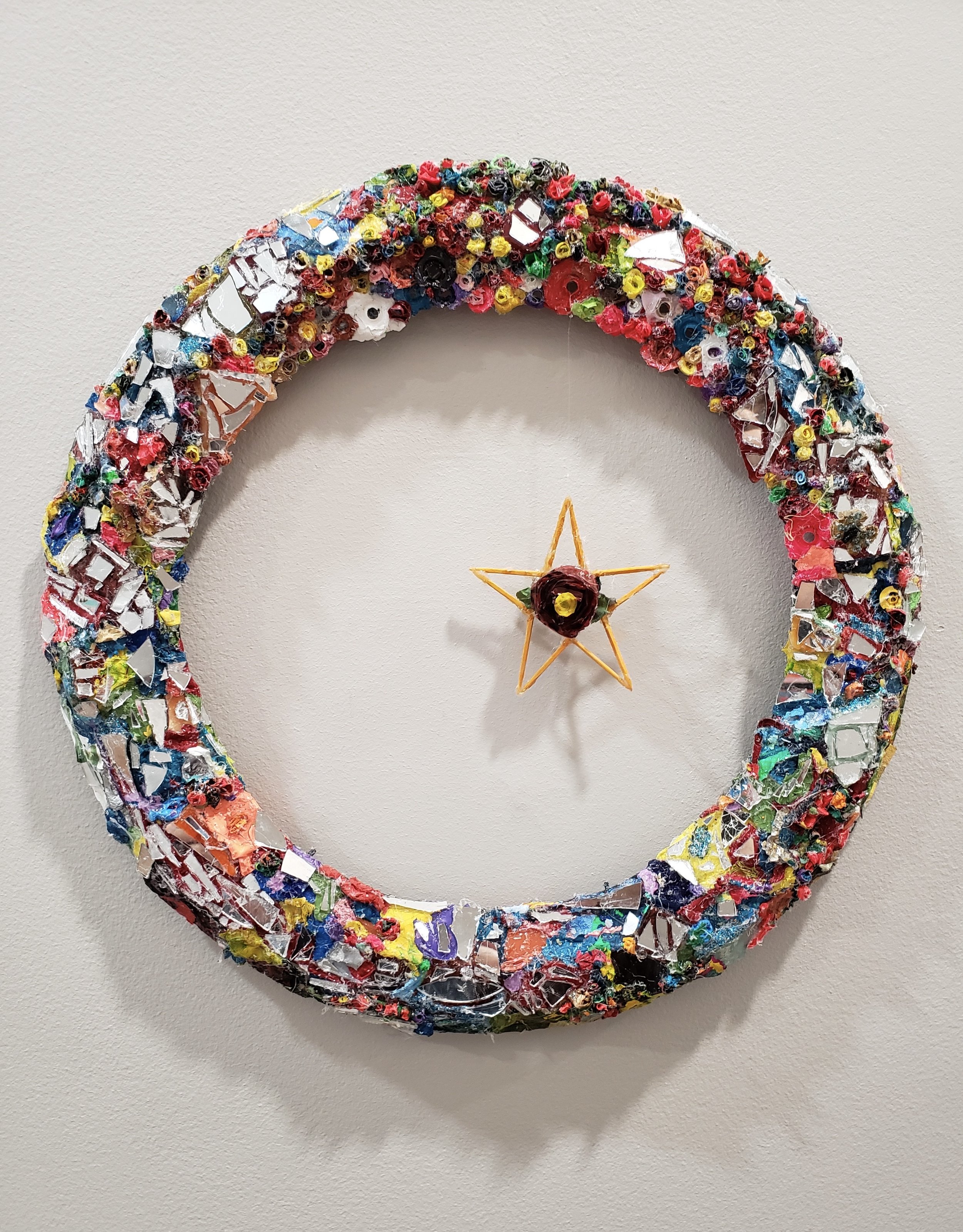
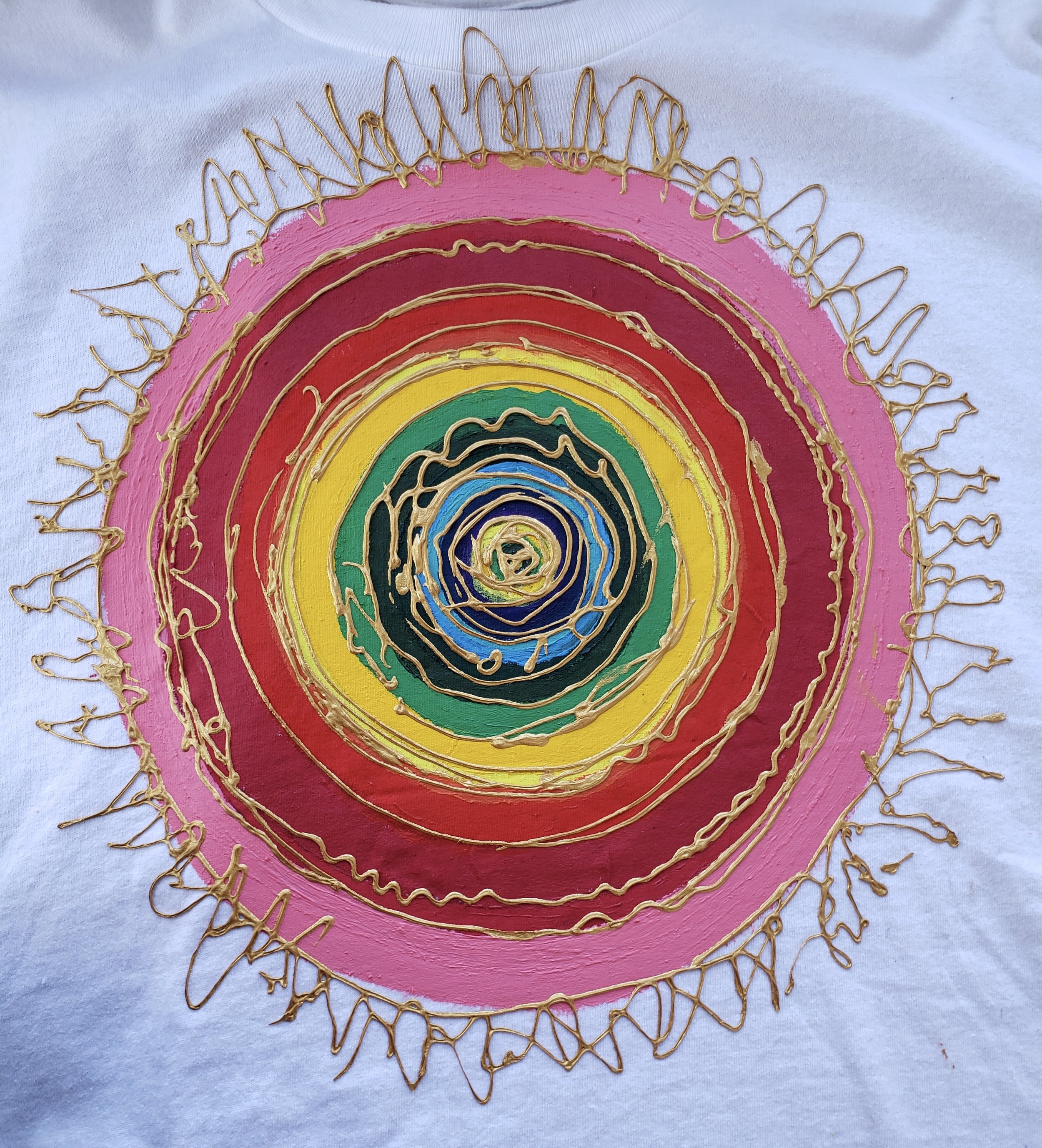
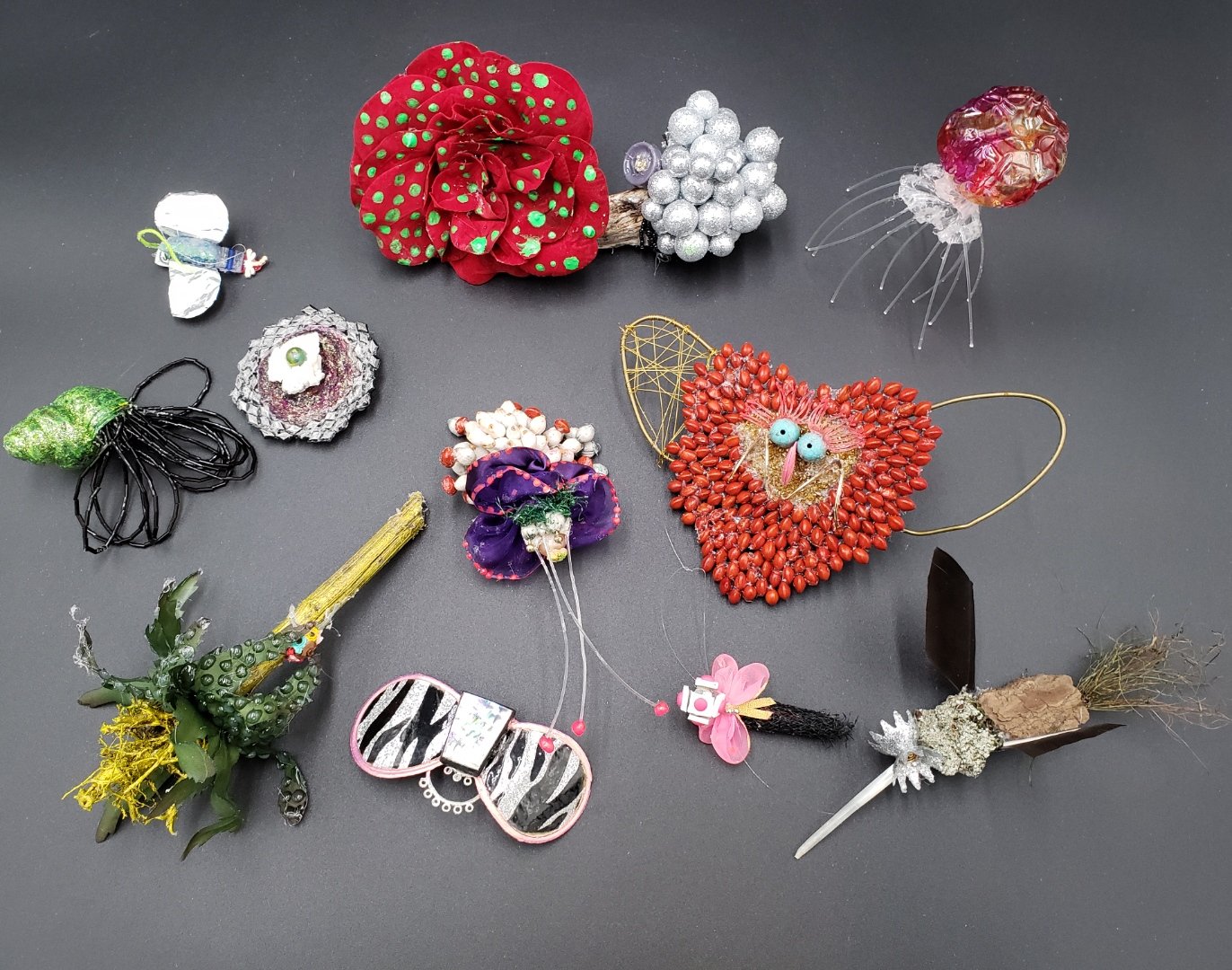
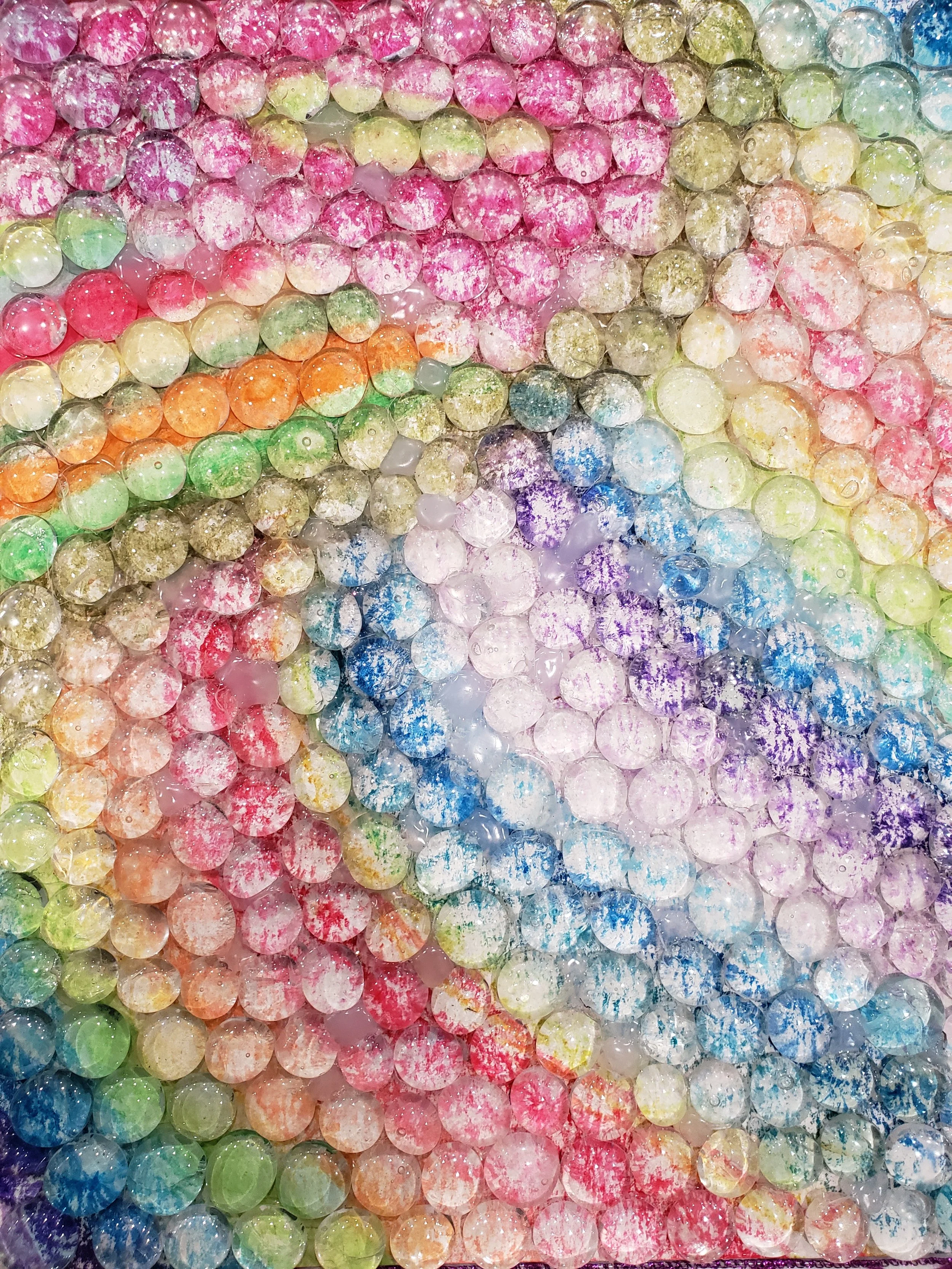
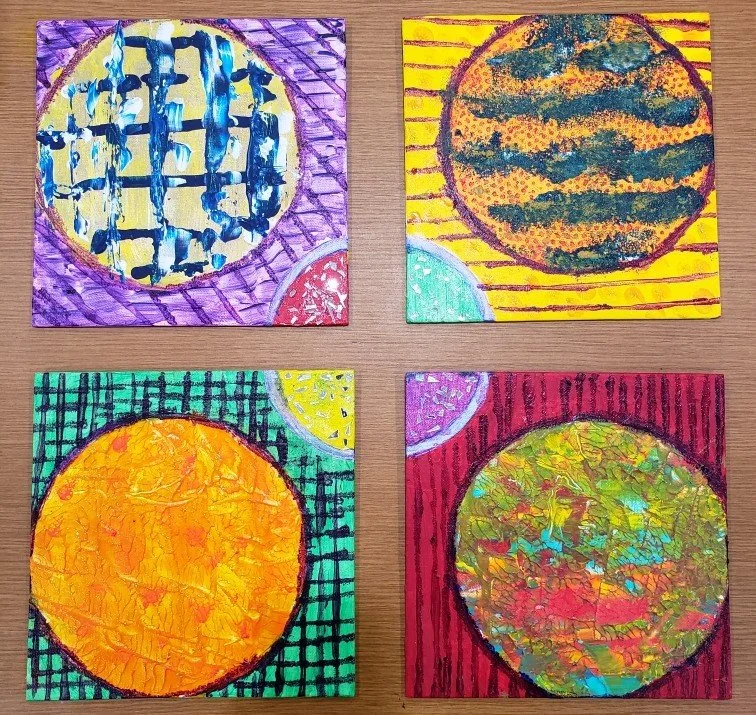
Victoria is a self-employed artist whose creative practice is centered on self-expression, symbolism, experimentation, and the possibilities found within everyday materials. She explores a variety of artistic mediums, using color, texture, shape, angles, and structure to communicate ideas and emotions in ways that are uniquely her own.
Victoria approaches art with a natural curiosity, often questioning what may initially appear simple and looking deeper to discover what can be created from it. She is particularly interested in how angles, structure, and the physical characteristics of different materials can be transformed into symbolic forms of artistic expression. This exploratory approach allows her work to continually evolve as she discovers new possibilities.
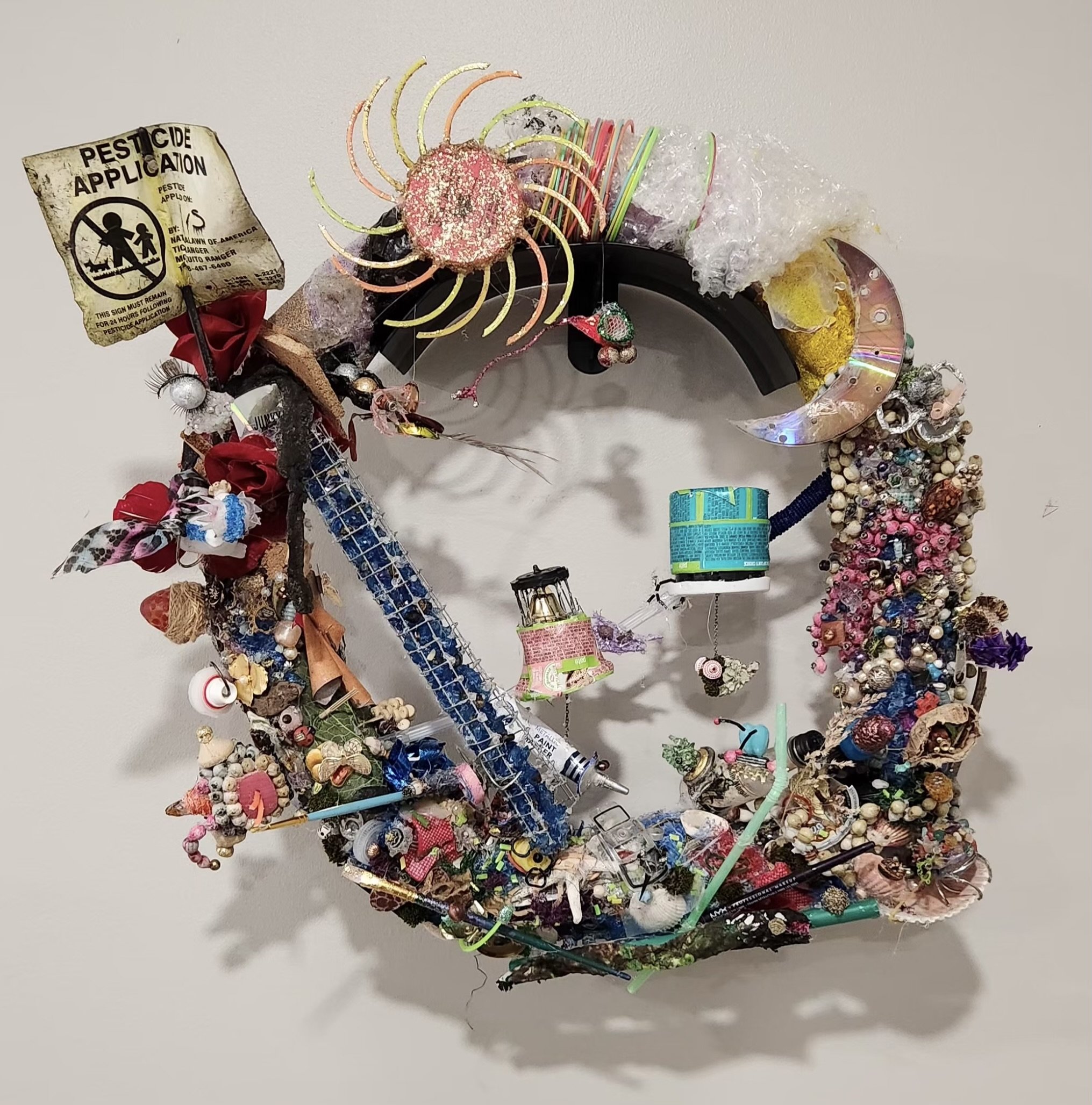
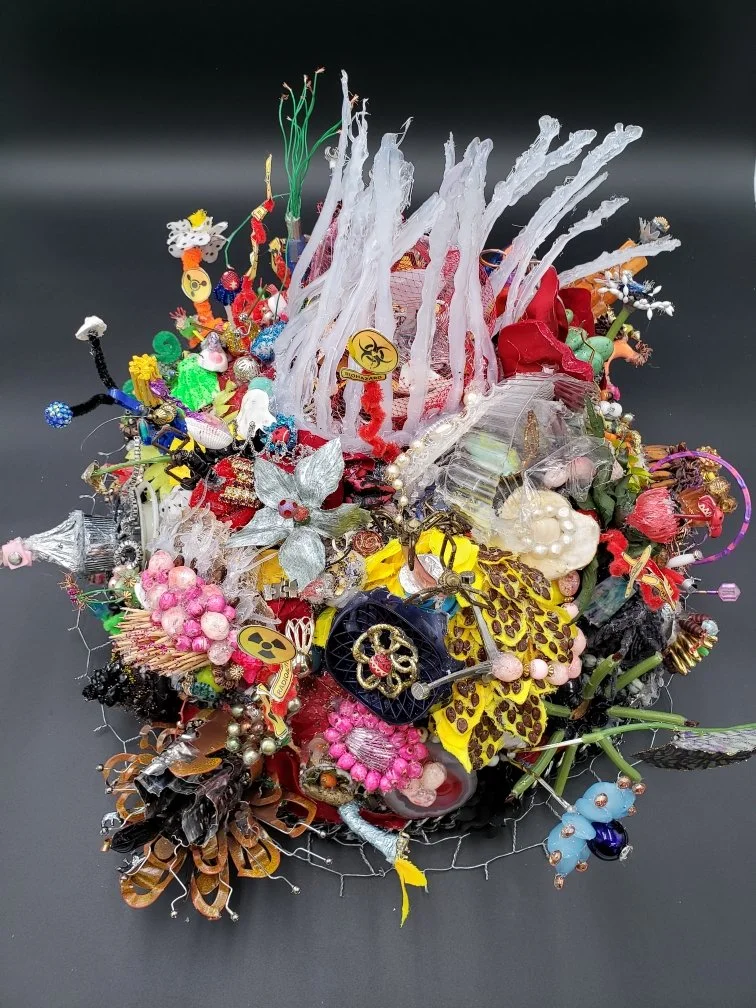
Her artistic influences are drawn from the world around her, including current events, colors, textures, and everyday objects. Victoria is also passionate about incorporating recycled and repurposed materials into her artwork whenever possible. For her, giving discarded materials a new purpose is both an environmental choice and a creative opportunity—turning something that might otherwise end up in a landfill into something meaningful and visually engaging.
As a self-employed artist, Victoria values the independence and creative freedom that comes with developing her own artistic practice. She lists and shares her artwork through Inspire Arts CT, providing an opportunity for her work to reach a wider audience while connecting with a community that values creativity, individuality, and artistic expression.
Victoria's work reflects an artist who is not afraid to question, experiment, reinterpret, and look beyond the obvious. Her creative process demonstrates how ordinary materials and everyday observations can become vehicles for personal meaning, environmental awareness, and artistic discovery.
Victoria’s Artistic Journey
Victoria’s artistic journey has developed around a simple but powerful idea: there is always more possibility than initially meets the eye. As a self-employed artist, she has embraced the freedom to explore her creativity independently, experimenting with different materials, techniques, and forms of symbolic expression.
Rather than following a single artistic path, Victoria allows her interests and observations to guide her creative process. She often begins with something ordinary—a material, texture, shape, angle, or object—and considers how it can be transformed into something with greater meaning. This willingness to question what is possible has become an important part of her artistic identity.
Victoria has also developed a strong interest in recycled and repurposed materials. Her creative process provides an opportunity to give materials that might otherwise be discarded a second life. What others may see as waste can become a starting point for an artistic idea, allowing Victoria to combine creativity with an awareness of environmental sustainability.
Her work is continually influenced by the world around her. Current events, colors, textures, structures, and everyday experiences provide inspiration, while her use of symbolism allows her to explore and communicate ideas in personal and unexpected ways.
Today, Victoria continues to develop her career as a self-employed artist, with her artwork listed through Inspire Arts CT. Her journey reflects an ongoing process of experimentation, discovery, and creative independence. Each new piece provides another opportunity to ask “What could this become?” and to turn that question into something tangible, meaningful, and uniquely her own.

Exhibitions:
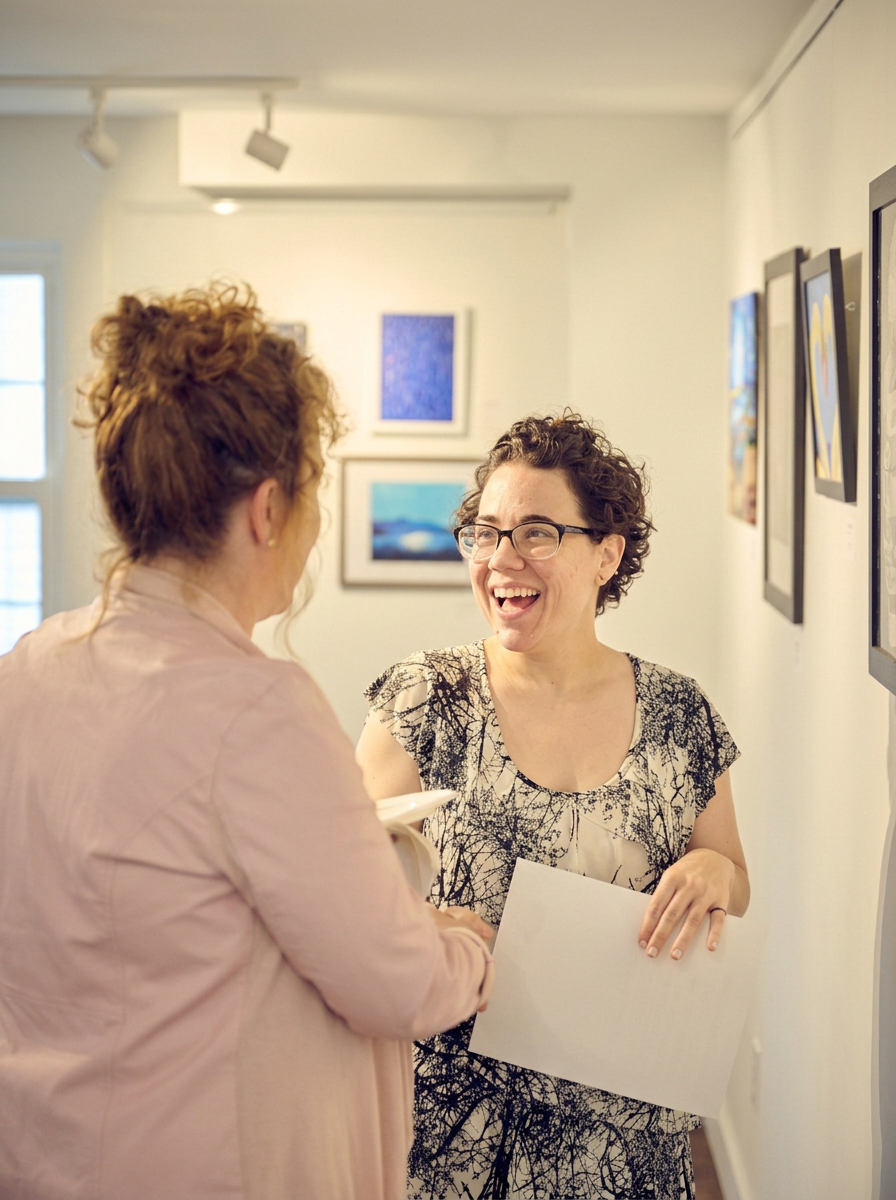
2024 Open Studio Hartford Group Exhibit. Hartford, CT
2025 Inspire Arts Group Exhibition. Simsbury Public Library, Simsbury, CT
2025 “Confident Embrace” A community exhibition in collaboration with The Brain Injury Alliance of CT, sharing the creative expression of brain injury survivors. Kalaveshi Arts, Avon, CT
2025 Inspire Arts Group Exhibition. East Hartford Public Library, East Hartford, CT
2026 Inspire Arts Group Exhibition. Sheraton Gallery, Bradley International Airport, Windsor Locks, CT
2026 Inspire Arts Group Exhibit. Windsor Locks Town Hall, Windsor Locks, CT
Victoria’s Artistic Style and Influences.
Victoria's artistic style is experimental, symbolic, and environmentally conscious, reflecting her interest in exploring how everyday materials, shapes, colors, and textures can be transformed into meaningful creative expressions. Rather than limiting herself to a particular medium or traditional artistic approach, Victoria enjoys experimenting with materials and considering how their physical characteristics can contribute to the story or symbolism within a piece.
A central influence on Victoria's work is her concern for the environment and the impact of pollution. She is particularly interested in the ways human activity affects the natural world and uses her creative practice as an opportunity to encourage reflection on waste, consumption, and environmental responsibility. Her decision to incorporate recycled and repurposed materials into her artwork is both practical and intentional—materials that might otherwise contribute to landfill waste can be given a new purpose through creativity.
Victoria is also inspired by current events and the world around her. News, social issues, colors, textures, structures, and everyday observations can all become starting points for an artistic idea. She often looks beyond the obvious characteristics of an object, considering how its shape, angles, or structure might communicate something symbolic.
Her approach to art is therefore less about simply reproducing what she sees and more about questioning, interpreting, and reimagining. A discarded object can become a symbol; an unusual texture can suggest an idea; and a combination of shapes can communicate something that words cannot.
Victoria's work demonstrates how environmental awareness and artistic expression can intersect. By transforming discarded or ordinary materials into creative works, she invites viewers to reconsider the value of the objects around them and to think differently about waste and its impact on the environment.
Ultimately, Victoria's artistic style is defined by curiosity, symbolism, experimentation, sustainability, and independent thinking. Her work encourages us to look beyond the surface and consider not only what something is, but also what it could become—and what it might have to say.