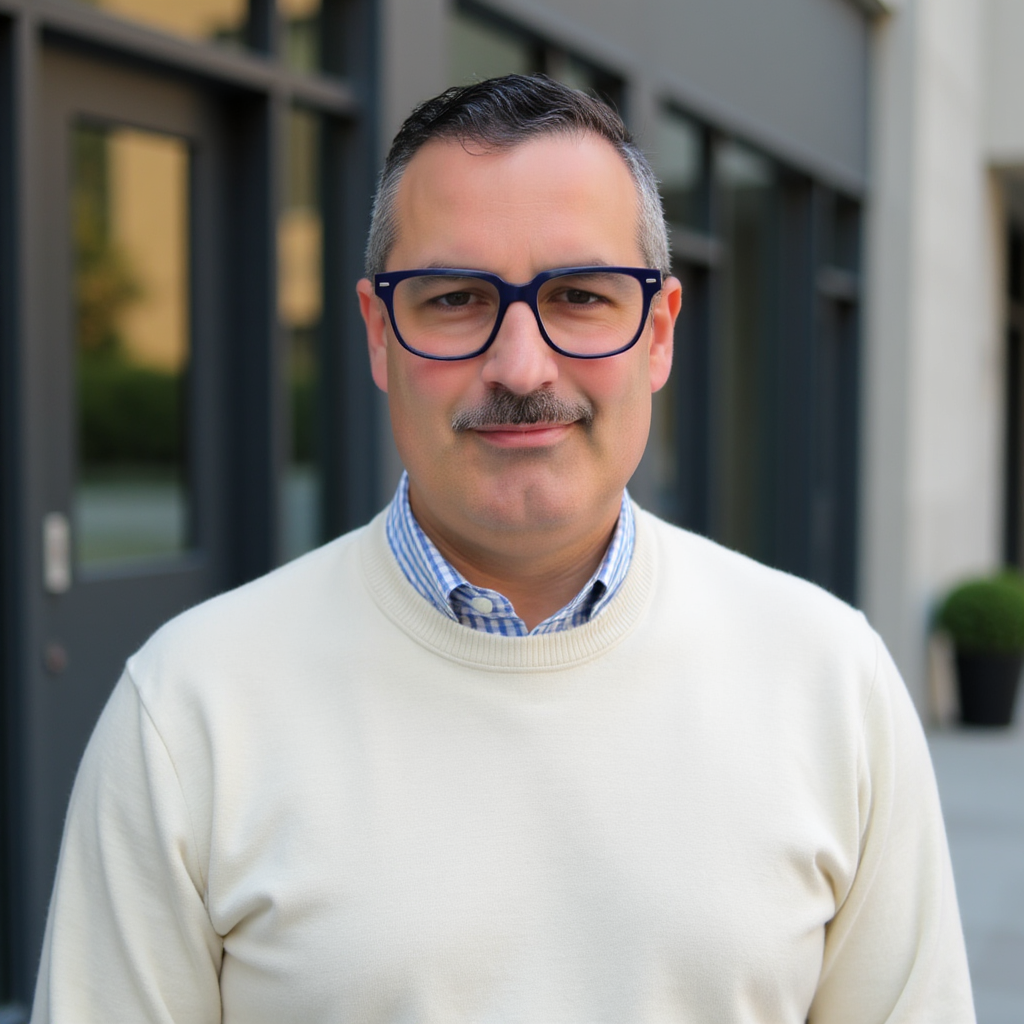
Art can be more than something we make. For people living with brain injury, it can become a way to communicate, reconnect, rebuild confidence, explore identity, and participate in the community.
Recovery from a brain injury rarely follows a straight line.
For many people living with an acquired brain injury (ABI) or traumatic brain injury (TBI), rehabilitation extends well beyond the hospital, therapy gym, or traditional clinical setting. The challenges of brain injury can affect memory, attention, executive functioning, communication, emotional regulation, mobility, confidence, relationships, and a person's ability to participate in everyday life.
That means meaningful rehabilitation also needs to extend beyond traditional clinical exercises.
Creative experiences can provide another pathway for rehabilitation, engagement, and personal growth.
Painting. Drawing. Photography. Jewelry making. Woodworking. Music. Writing. Storytelling. Sculpture. Collaborative art. Even simply experimenting with a new creative medium.
These activities can provide opportunities to practice skills, express experiences that may be difficult to put into words, develop a sense of accomplishment, and—perhaps most importantly—be recognized for what a person can do rather than what their brain injury has taken away.
This is part of the philosophy behind Inspire Arts CT, a Connecticut disability arts organization created to provide meaningful creative opportunities for artists living with disabilities, including individuals affected by acquired brain injuries. Through studio experiences, exhibitions, collaborative projects, and opportunities to share artwork with the broader community, Inspire Arts CT seeks to create spaces where creativity, connection, and participation are valued.
Brain Injury Recovery Is About More Than Restoring Function
Traditional neurorehabilitation appropriately focuses on important goals such as improving mobility, communication, memory, attention, executive functioning, and independence.
But successful recovery is not simply a matter of whether someone can complete a particular task.
It is also about who the person becomes after the injury—and how they participate in life.
Brain injury can dramatically disrupt a person's sense of identity. Someone who previously identified as an artist, musician, craftsman, student, professional, parent, athlete, or community member may suddenly find that many of the activities that once helped define them have become more difficult.
This can create a difficult psychological experience.
The question can shift from:
"What can I do?"
to:
"What am I still capable of being?"
Creative activity can offer an important alternative to that narrative.
Rather than beginning with deficits, creative environments can begin with possibility.
A person may not be able to complete every activity in the same way they did before their injury. They may need additional time, adapted tools, visual prompts, structured routines, assistance from another person, or opportunities to take breaks.
But the finished product can still be meaningful.
And the process itself can be meaningful.
What Does the Research Say About Creativity and Brain Injury?
The research base surrounding creative rehabilitation is growing, although it is important to interpret the evidence carefully.
Creative activity is not a replacement for medical care, physical rehabilitation, occupational therapy, speech-language therapy, psychological treatment, or other evidence-based services.
Instead, the emerging research suggests that music, visual art, storytelling, dance, and other creative approaches may complement traditional rehabilitation by engaging cognitive, motor, emotional, and social processes simultaneously.
A 2026 scoping review examining art therapy and technology-assisted creative interventions in neurorehabilitation identified studies involving visual art, music, and dance-based interventions. Across the neurological rehabilitation literature, reported outcomes included improvements in areas such as motor functioning, attention, executive functioning, emotional well-being, and engagement. The researchers also emphasized that much of the existing literature remains limited by small samples, differing methodologies, and relatively short follow-up periods.
That distinction matters.
The science does not suggest that simply giving someone a paintbrush will "heal" a brain injury.
What it suggests is much more interesting:
Creative experiences can create meaningful opportunities to engage systems and skills that are important to recovery.
Creativity Engages the Brain in Multiple Ways
One of the reasons creative activity may be particularly valuable following brain injury is that creativity rarely requires just one cognitive or physical skill.
Consider painting.
A person might need to:
Decide what they want to create.
Remember instructions.
Select colors or materials.
Organize the sequence of steps.
Sustain attention.
Control hand movements.
Monitor the result.
Adapt when something doesn't work.
Communicate preferences.
Manage frustration.
Make decisions.
Evaluate the finished product.
In other words, a seemingly simple creative activity can involve planning, attention, problem-solving, motor coordination, self-monitoring, communication, and emotional regulation.
The same can be true of woodworking, photography, jewelry making, music, writing, gardening, or collaborative art.
This does not mean that every creative activity should be viewed as a disguised therapy exercise.
In fact, doing so can sometimes undermine its greatest benefit.
People need opportunities to create because they are people—not simply because creativity might improve a clinical outcome.
That distinction is central to a person-centered approach to rehabilitation.
Music and Brain Injury Rehabilitation
Among creative interventions, music has received considerable attention within neurorehabilitation research.
A systematic review and meta-analysis examining music therapy following traumatic brain injury found evidence of improvements in some motor and executive-function outcomes, although results were mixed across measures and the authors emphasized limitations in the available evidence.
Another systematic review focused specifically on cognitive outcomes following TBI identified five studies involving 122 participants. The authors found promising evidence for improvements in executive functioning, while evidence for memory and attention was more limited. They also emphasized the need for larger studies and longer follow-up periods.
More recent research has continued to examine the role of music-based interventions.
A 2026 systematic review examining psychological and psychiatric outcomes after TBI found indications that music-based interventions may benefit areas including stress, depression, agitation, mood, social interaction, and sleep. However, the researchers cautioned that limitations in study design prevent strong conclusions about effectiveness.
The message is therefore not that music is a cure.
Rather, music may offer a multisensory and highly engaging avenue for rehabilitation and participation.
And engagement matters.
A person who is reluctant to participate in a repetitive exercise may become highly motivated when the same underlying skills are incorporated into an activity they genuinely enjoy.
Art Can Provide a Different Language
Not every experience following a brain injury can easily be explained.
Someone may know that they feel different without being able to articulate exactly why.
Someone may struggle to describe frustration, grief, fear, loss of identity, or hope.
For some people, visual art can provide another way to communicate.
Research examining storytelling as an intervention in TBI rehabilitation identified interventions involving film production, visual art, written publication, and song composition. Across the studies, researchers identified themes including identity reconstruction, emotional processing, sense-making, and community re-engagement.
These themes are particularly important.
Brain injury rehabilitation is not only about learning how to perform a task.
It can also involve learning how to make sense of what happened.
Rebuilding Identity Through Creativity
Before an injury, a person may have had a strong sense of identity.
"I am an artist."
"I am a musician."
"I am a carpenter."
"I am a photographer."
"I am a writer."
"I am someone who makes things."
After an injury, those identities can become complicated.
Creative activity can provide an opportunity to reconstruct—not simply recover—that identity.
A person may discover a different artistic style.
They may learn to work with adaptive tools.
They may create differently than they did before.
They may discover abilities they never knew they had.
And eventually, they may begin to see themselves not primarily as a person who had a brain injury, but as an artist who happens to live with one.
That shift can be powerful.
Creativity Creates Opportunities for Success
One of the often-overlooked consequences of brain injury is the accumulation of experiences in which a person is reminded of what they cannot do.
A medical appointment.
A failed task.
A missed appointment.
Difficulty remembering instructions.
A frustrating conversation.
A lost job.
A change in relationships.
A rehabilitation exercise that remains difficult.
Over time, these experiences can affect confidence and motivation.
Creative environments can introduce a different experience:
"Look what I made."
That statement carries tremendous meaning.
The artwork does not have to be perfect.
It does not need to win an award.
It does not need to have monetary value.
It simply needs to represent something the individual created.
Creative activities can therefore provide opportunities for mastery, choice, experimentation, and visible accomplishment.
These are important components of a healthy sense of self.
Creativity Can Support Executive Functioning
Executive functioning is frequently affected following acquired and traumatic brain injury.
Difficulties may include:
Initiating activities
Planning
Sequencing
Organizing
Shifting between tasks
Managing time
Monitoring performance
Solving problems
Controlling impulses
Maintaining attention
Creative projects naturally provide opportunities to practice many of these skills.
Consider creating a piece of jewelry.
The person may need to choose a design, gather materials, determine a sequence, estimate how much material is needed, maintain attention to detail, recognize mistakes, and adjust the plan.
A woodworking project may require even more extensive planning and sequencing.
A collaborative mural can introduce additional demands involving communication, compromise, shared decision-making, and awareness of other people's work.
These experiences can be meaningful precisely because they occur in a real-world context.
The goal is not simply to perform an exercise correctly.
The goal is to create something.
Creativity Can Encourage Social Connection
Brain injury can be isolating.
Changes in mobility, communication, behavior, confidence, transportation, employment, or social relationships can make it increasingly difficult to participate in community life.
Creative programs can provide an alternative route back into community participation.
A studio can become a place where people meet.
An exhibition can become a reason for families to come together.
A collaborative project can create relationships between people who might otherwise never have met.
A public display can allow an artist to contribute something meaningful to their community.
Research into creative interventions following TBI has identified community re-engagement as one of the important reasons creative approaches have been incorporated into rehabilitation.
This is one of the reasons that community-based arts programs can be so important.
Recovery should not always happen in isolation.
People need places where they can participate.
From "Patient" to "Artist"
Language matters.
When someone enters a hospital or rehabilitation program, they may understandably be described as a patient.
They may be assessed.
They may be scored.
They may have goals.
They may have diagnoses.
They may have limitations.
All of those things can be clinically important.
But they are not the whole person.
An arts environment can introduce a different identity.
Artist.
That simple word changes the relationship.
The person is no longer simply receiving care.
They are creating something.
They have preferences.
They have ideas.
They have something to contribute.
Other people may be looking at their work—not because they feel sorry for them, but because the work itself is worth seeing.
That is an important distinction.
The Importance of Choice
Person-centered rehabilitation recognizes that individuals should have meaningful opportunities to participate in decisions about their own lives.
Creative programming can provide choice in ways that traditional rehabilitation sometimes cannot.
What do you want to make?
What colors do you want to use?
Which materials do you prefer?
Do you want to work independently?
Would you like help?
Do you want to try something new?
Do you want to finish this today—or come back tomorrow?
These choices may appear small.
For someone whose life has become increasingly structured around appointments, services, medications, assessments, and other people's decisions, however, having meaningful choices can be enormously important.
Creativity creates room for autonomy.
Adaptation Does Not Mean Lowering Expectations
Accessible creative programming does not mean assuming that someone with a brain injury cannot do something.
It means asking:
"What would make this possible?"
Maybe the individual needs:
Larger-handled brushes.
A modified workspace.
Additional lighting.
Visual instructions.
Reduced background noise.
A quieter room.
Extra processing time.
A structured routine.
Assistance with setup.
Shorter sessions.
Rest breaks.
Adaptive technology.
Someone to help with sequencing.
A different way to approach the same task.
The objective is not to remove challenge.
It is to remove unnecessary barriers to participation.
That distinction can transform an arts program from a recreational activity into a meaningful component of community-based rehabilitation.
Creativity and Neuroplasticity
The concept of neuroplasticity—the brain's ability to change and adapt in response to experience—is central to modern rehabilitation.
Creative activities can provide repeated opportunities for sensory, motor, cognitive, emotional, and social engagement.
Research examining music- and dance-based rehabilitation across neurological conditions has increasingly investigated neuroplastic changes using neuroimaging. A 2025 systematic review identified 20 randomized controlled trials involving 718 participants and found evidence suggesting that music- and dance-based interventions can influence functional and structural measures associated with neuroplasticity, while also emphasizing differences between studies and the need for continued research.
It is important not to overstate these findings.
We cannot look at an individual's painting and conclude that it has directly "rewired" their brain.
Neuroplasticity is complex, and recovery depends on numerous factors.
But creative activities can provide exactly the kind of repeated, meaningful, multisensory engagement that makes rehabilitation experiences more personally relevant.
And meaningful experiences are more likely to be experiences that people want to repeat.
Creativity, Emotion, and Well-Being
Brain injury is not purely a cognitive or physical experience.
It can affect mood, confidence, relationships, motivation, self-esteem, and emotional regulation.
Creative activity can provide a safe structure in which people can explore emotions without requiring every experience to be verbalized.
Research on art therapy among individuals with TBI has reported promising findings involving physical recovery, anxiety and trauma-related symptoms, depressive symptoms, well-being, interpersonal relationships, and adaptation. However, the available studies remain relatively limited, and systematic reviewers have emphasized the need for stronger research.
Again, the appropriate conclusion is not that art automatically treats depression, anxiety, or trauma.
Rather, creative activity can be one meaningful part of a broader recovery environment that supports emotional expression, engagement, identity, and connection.
Creativity Is About More Than Rehabilitation
Perhaps the most important point is also the simplest.
People with brain injuries deserve opportunities to create because creativity is part of living a meaningful life.
We should be careful not to turn every enjoyable activity into a therapeutic intervention.
A person does not need to justify painting because it improves executive functioning.
They do not need to play music because it improves gait.
They do not need to make jewelry because it improves fine motor skills.
Sometimes they can simply create because they enjoy creating.
That matters.
When creative activities are reduced entirely to clinical exercises, we risk losing something important: the individual's identity, interests, preferences, and humanity.
The strongest community arts programs can hold both ideas at the same time.
Creative experiences can be meaningful in their own right.
And they can also support skills and outcomes that are important to rehabilitation.
Why Programs Like Inspire Arts CT Matter
This is where community-based creative programs have an important role to play.
Inspire Arts CT was created around the idea that artists living with disabilities—including individuals living with acquired brain injuries—should have opportunities to create, learn, grow, connect, and share their work.
The program's studios provide an environment where creativity can become a pathway to participation rather than another reminder of limitation.
The emphasis is not simply on producing artwork.
It is on creating opportunities for:
Self-expression.
Confidence.
Connection.
Personal growth.
Independence.
Community participation.
Inspire Arts CT's approach also extends beyond the studio. Exhibitions, collaborative projects, community partnerships, and opportunities to share artwork with the public can help artists move from being recipients of services to being visible contributors to their communities.
That is an important part of rehabilitation.
Recovery is not simply about becoming more independent inside a program.
It is about having opportunities to participate outside of it.
Every Artist Has a Story
Every piece of artwork has a story.
Sometimes that story is about the artist's life before their injury.
Sometimes it is about the injury itself.
Sometimes it is about recovery.
Sometimes it has nothing to do with brain injury at all.
And that may be the most important part.
A person should not have to make their brain injury the subject of everything they create.
They can paint a landscape.
Build a wooden object.
Create jewelry.
Take a photograph.
Write a poem.
Make something abstract.
Experiment with color.
Create something funny.
Create something beautiful.
Create something strange.
Create something that simply makes them happy.
They are an artist first.
Looking Beyond What Was Lost
Brain injury rehabilitation inevitably involves loss.
But recovery cannot be defined exclusively by what has been lost.
There must also be room for discovery.
New interests.
New relationships.
New skills.
New forms of expression.
New identities.
New opportunities.
And sometimes, new dreams.
Creative programs provide a space where those possibilities can emerge.
A paintbrush cannot repair an injured brain by itself.
A song cannot erase the consequences of a traumatic brain injury.
A sculpture cannot restore everything that was there before.
But creativity can provide something equally important:
a reason to engage, a way to express, an opportunity to succeed, and a place to belong.
For many people living with brain injury, those are not small things.
They are part of what makes recovery meaningful.
Creativity as a Part of the Bigger Picture
The evidence surrounding creative approaches to brain injury rehabilitation continues to develop. Recent systematic reviews suggest promising applications across cognitive, motor, emotional, and psychosocial domains, while also emphasizing that larger, higher-quality studies are needed.
That balanced perspective is important.
Creative programming should complement—not replace—appropriate medical, neurological, psychological, occupational, physical, speech-language, and community-based rehabilitation services.
But rehabilitation should also recognize that people are more than their impairments.
They are artists.
Creators.
Neighbors.
Parents.
Friends.
Musicians.
Woodworkers.
Photographers.
Painters.
Writers.
Designers.
And members of their communities.
At Inspire Arts CT, creativity provides a place for those identities to be seen.
Because sometimes rehabilitation begins not with asking, "What can this person no longer do?"
It begins with asking a different question:
"What might this person create next?"
About Inspire Arts CT
Inspire Arts CT is a Connecticut disability arts organization supporting artists living with disabilities, including individuals affected by acquired brain injury. Through accessible creative programming, studio experiences, exhibitions, collaborative projects, and community connections, Inspire Arts CT works to create opportunities for artists to express themselves, develop their abilities, build confidence, and participate more fully in their communities.
Selected Peer-Reviewed Research
Uomoto, J. M., et al. (2025). A Systematic Review of Music Therapy for Symptoms of Traumatic Brain Injury and Posttraumatic Stress Disorder in Adults. NeuroRehabilitation, 57(4), 504–519.
Mishra, R., et al. (2021). Role of Music Therapy in Traumatic Brain Injury: A Systematic Review and Meta-analysis. World Neurosurgery, 146, 197–204.
Albani-Rocchetti, M., et al. (2026). Integrating art therapy and technology in neurorehabilitation: a scoping review. Frontiers in Neurology, 17.
Estelle, M. C. P., et al. (2026). The Impact of Music Therapy and Music-Based Interventions on the Psychiatric and Psychological Outcomes of Traumatic Brain Injury: A Systematic Review. Journal of Music Therapy, 63(1).
Role of music therapy in improving cognitive function post-traumatic brain injury: A systematic review. (2023).
Blasi, V., et al. (2025). Structural and functional neuroplasticity in music and dance-based rehabilitation: a systematic review. Journal of Neurology, 272, 329.
Storytelling as an intervention in traumatic brain injury rehabilitation: a scoping review. (2022).
Art Therapy as a Tool for Recovery in Traumatic Brain-Injured Veterans and Active Duty Soldiers: A Systematic Review. Archives of Physical Medicine and Rehabilitation, 105(4), e158 (2024).